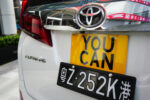
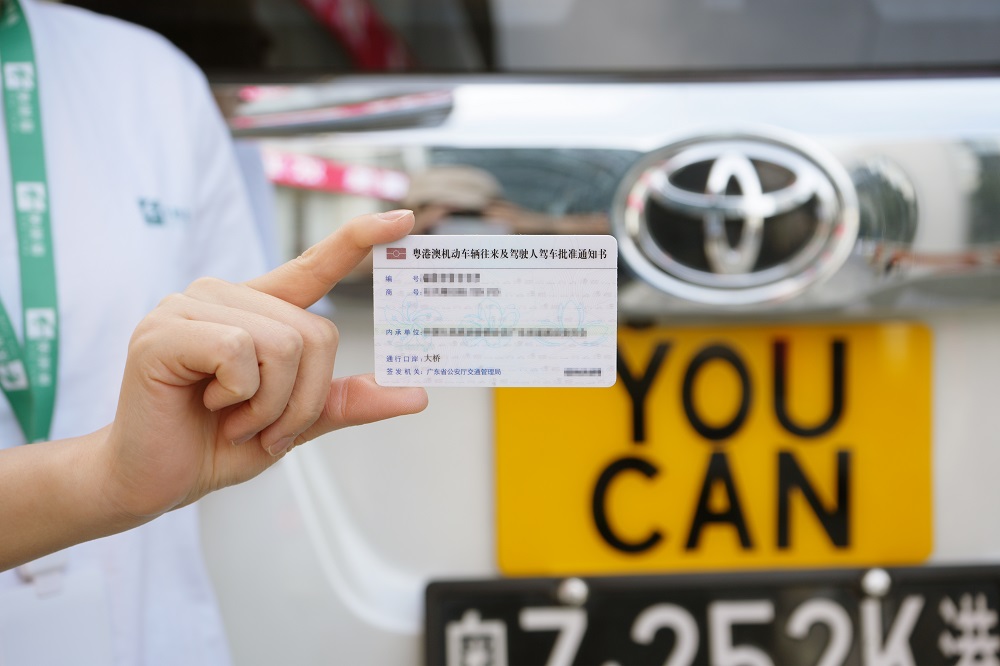
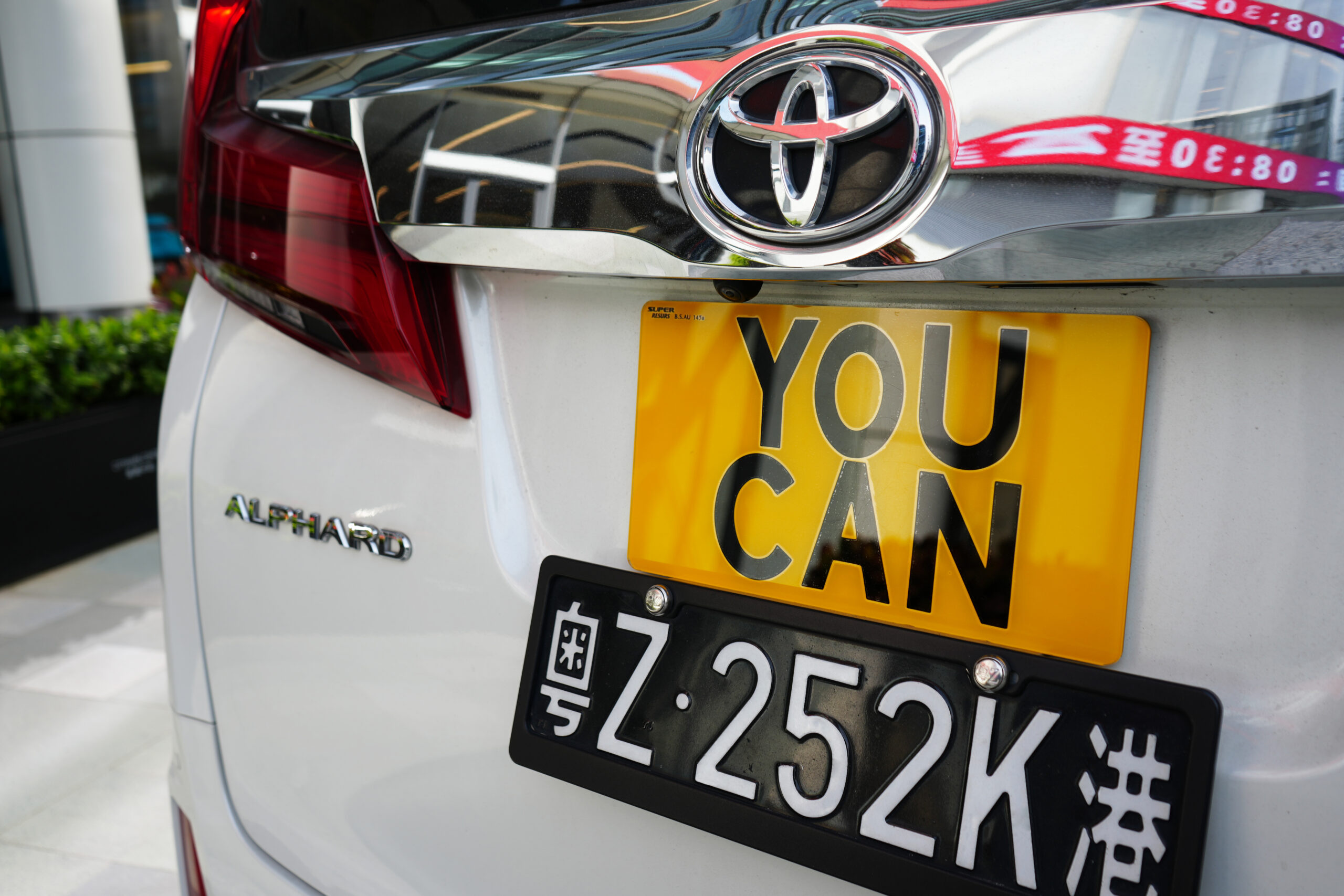
On the roads in the Greater Bay Area of Guangdong, Hong Kong and Macao, we can often see Hong Kong vehicles with black Guangdong Z licence plates plying on and off. However, according to the existing regulations on the management of Guangdong and Hong Kong licence plates, such vehicles are only allowed to run in Guangdong Province. During the National People's Congress and the National People's Political Consultative Conference of the Hong Kong Special Administrative Region (HKSAR) this year, Mr Jiang Zai Zhong, a member of the National Committee of the Chinese People's Political Consultative Conference (CPPCC) of the HKSAR, put forward a proposal advocating the opening up of the whole country for the movement of Guangdong Z-plate vehicles. He emphasised that as the State is actively promoting the integration of Hong Kong with the Mainland, further relaxation of restrictions on the movement of Guangdong Z-plate vehicles will provide real convenience to Hong Kong people living and working in the Mainland.
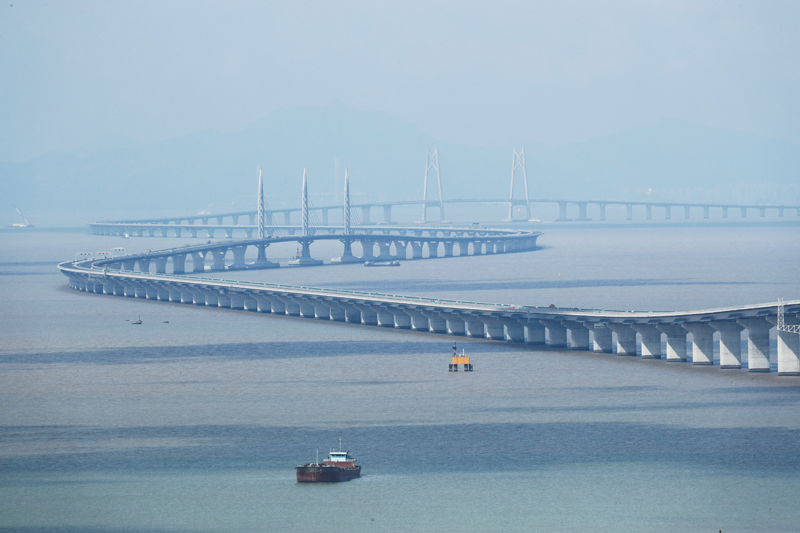
It is clearly stated in the Government's work report that Hong Kong and Macao should be supported in seizing the opportunities arising from the “One Belt and One Road” and the construction of the Guangdong-Hong Kong-Macao Greater Bay Area, and deepening exchanges and co-operation with the Mainland. With the gradual commissioning of important infrastructure such as the Hong Kong-Zhuhai-Macao Bridge and the Guangzhou-Shenzhen-Hong Kong Express Rail Link, as well as the gradual opening of the Liantang/Heung Yuen Wai Boundary Control Point and other new control points in the future, travelling between Hong Kong and the Mainland will become more and more convenient, and the demand for Hong Kong people to drive into the Mainland will also increase.
At present, there are two main types of Guangdong and Hong Kong vehicle licence plates: Cantonese Z plates, which are for right-hand-drive vehicles entering the Mainland from Hong Kong and are only allowed to drive in Guangdong and Hong Kong; and FV plates, which are for left-hand-drive vehicles entering Hong Kong from the Mainland and are allowed to travel legally in both places. Many Hong Kong people wish to drive to provinces outside Guangdong for reasons such as family trips or business visits, but they do not have sufficient knowledge of the relevant regulations and occasionally drive out of the provinces inadvertently. Once caught, they may face penalties such as fines, demerit points or even suspension of their vehicles. Moreover, the enforcement standards vary from place to place, which may easily lead to legal risks. In the event of an accident, insurance claims may be affected by the fact that the vehicle has exceeded the permitted driving range, resulting in both economic and safety losses.
Mr JIANG Zai-chung pointed out that in practice, Guangdong Z vehicles travelling across provinces on motorways were often not physically blocked, and a certain kind of tacit access phenomenon had already been formed. He opined that instead of maintaining the existing ambiguity, it would be better to open up the system in a clear manner so that there would be a basis for lawful and compliant travelling, and Hong Kong people would not have to bear unnecessary risks due to unfamiliarity with the requirements.
Mr Zhu Dingjian, Chairman and Chief Executive Officer of Mission Hills Group, Hong Kong, also said that with the growing economic ties between Hong Kong and the Mainland and the expanding scope of Hong Kong businessmen's operations in the Mainland, it was difficult to meet the demand for licence plates that were restricted to intra-provincial travel only. Citing his family's experience in investing in the Mainland over the years, he pointed out that many enterprises had branches in various cities across the country, and that the opening up of national licence plates would be more conducive to business activities and cultural exchanges.
In addition, Mr Michael WADE, Chairman of the Hong Kong-based Dreyfus Group, also supported the proposal and considered that the opening up of Guangdong Z-licence plates for national use would further improve the three-dimensional transport network between the two places, and significantly enhance the convenience of Hong Kong people travelling on the Mainland by combining the air, high-speed rail and highway systems.
Mr JIANG Zai-chung further said that the full liberalisation of Hong Kong/Guangdong vehicle licence plates was not only in line with the direction of the State in promoting the integration and development of the two places, but also a concrete measure to implement the principle of equal treatment for Hong Kong people in the Mainland. At present, the number of vehicle licence plates issued in the two places is limited. If the number of vehicle licence plates can be appropriately deployed and managed, it is expected that the full liberalisation will not impose an excessive burden on Mainland traffic, but will instead promote more active participation by various sectors in Hong Kong in the development of the country and deepen co-operation between the two places, thereby creating a win-win situation for both sides.