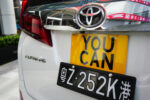
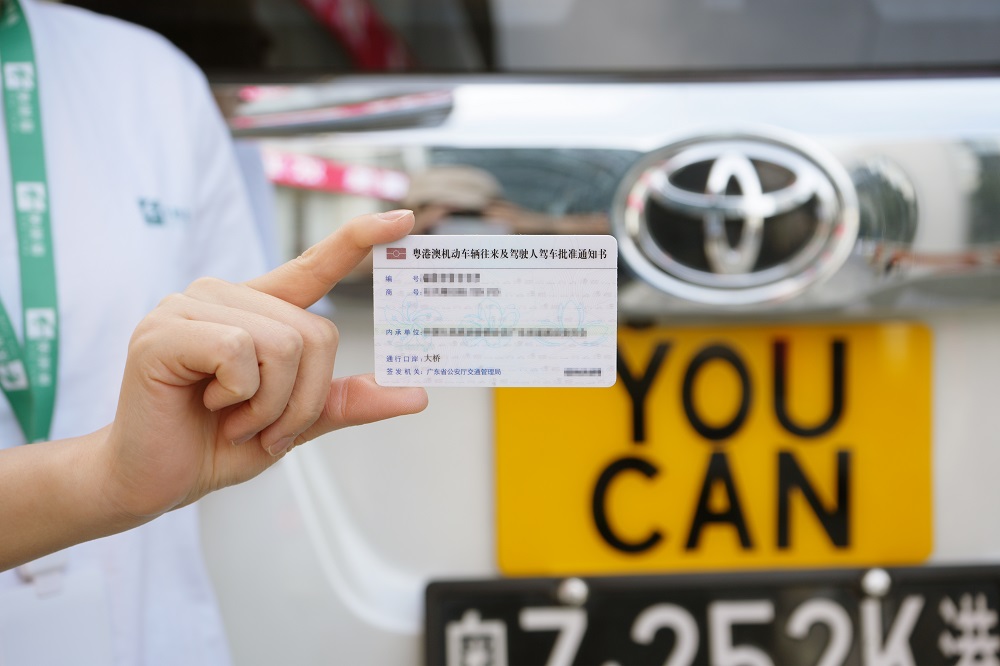
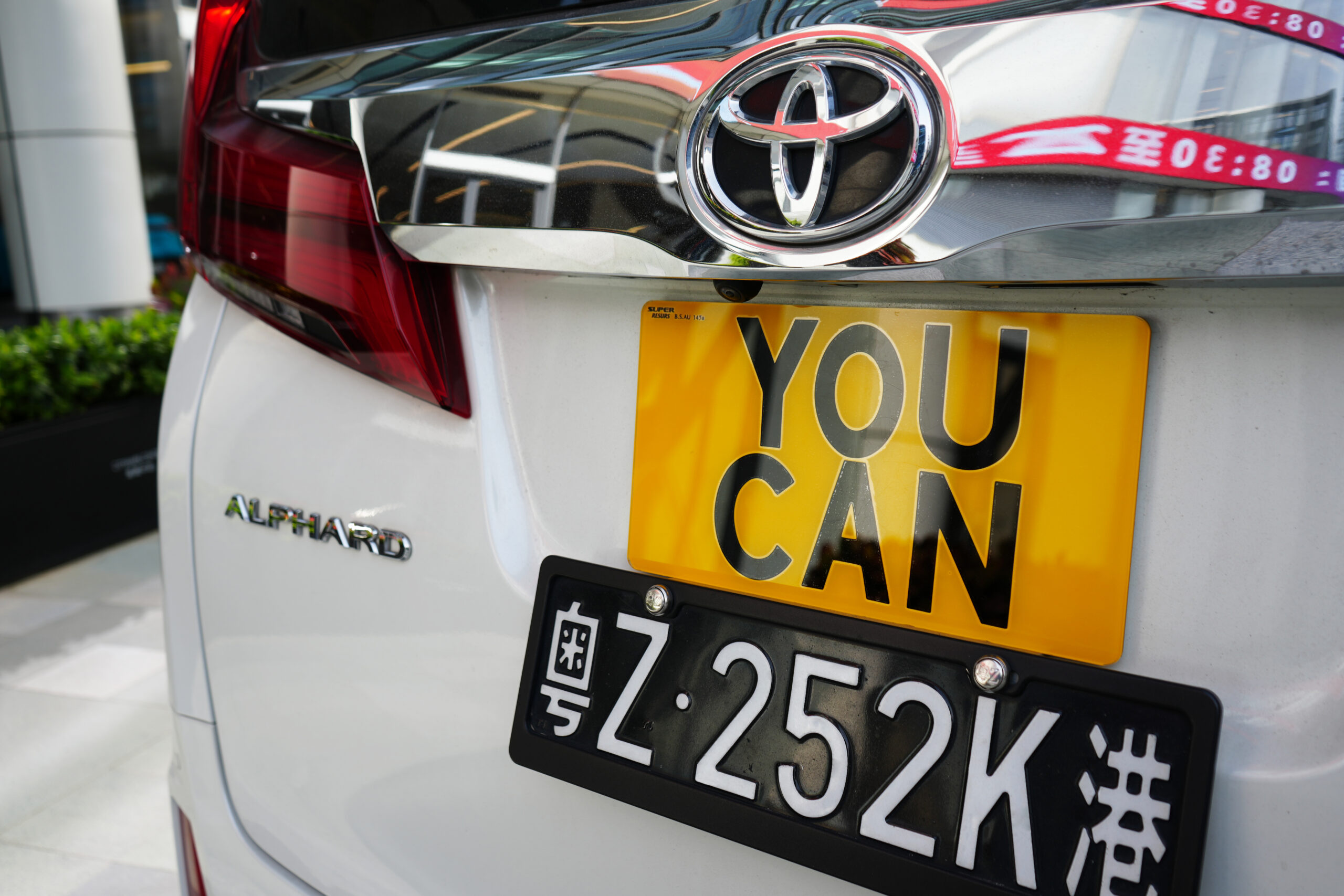
On the roads of the Guangdong-Hong Kong-Macao Greater Bay Area, Hong Kong vehicles bearing black Guangdong Z-series number plates are a common sight. However, under current cross-border vehicle regulations between Guangdong and Hong Kong, such vehicles are restricted to travelling within Guangdong Province. During this year's National People's Congress and Chinese People's Political Consultative Conference sessions, Jiang Zaizhong, a Hong Kong SAR member of the CPPCC National Committee, proposed a recommendation advocating for the extension of travel rights for vehicles bearing Guangdong Z plates to the entire national territory. He emphasised that as the nation actively promotes the integration of Hong Kong with the mainland, further relaxation of vehicle travel restrictions would provide tangible convenience for Hong Kong residents living and working on the mainland.
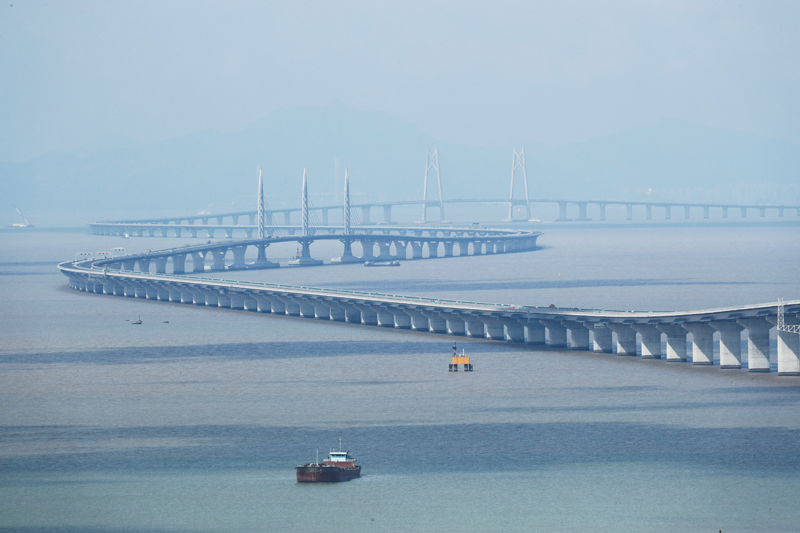
The Government Work Report explicitly states that Hong Kong and Macao should be supported in seizing opportunities presented by the Belt and Road Initiative and the development of the Guangdong-Hong Kong-Macao Greater Bay Area, while deepening exchanges and cooperation with the mainland. With the progressive commissioning of major infrastructure projects such as the Hong Kong-Zhuhai-Macao Bridge and the Guangzhou-Shenzhen-Hong Kong Express Rail Link, and the forthcoming opening of new border crossings including the Liantang/Heung Yuen Wai Port, travel between Hong Kong and the mainland is becoming increasingly convenient. Consequently, demand among Hong Kong residents to drive into the mainland is also growing.
Currently, cross-boundary vehicle licences in Guangdong and Hong Kong are primarily categorised into two types: the first is the Guangdong Z licence, issued to right-hand drive vehicles entering the mainland from Hong Kong, which may only operate within Guangdong Province and Hong Kong; the second is the FV licence, issued to left-hand drive vehicles entering Hong Kong from the mainland, permitting lawful operation in both regions. Many Hong Kong residents wish to drive beyond Guangdong for family holidays or business trips, yet their understanding of relevant regulations remains limited, occasionally leading to inadvertent cross-border driving. Detection may result in penalties including fines, penalty points, or temporary vehicle impoundment. Inconsistent enforcement standards across regions further heightens legal risks. Should an accident occur, exceeding the permitted driving area may also affect insurance claims, resulting in dual losses of both financial and safety implications.
Councillor Jiang Zaizhong pointed out that in practice, Guangdong-registered vehicles travelling across provincial borders on motorways often encounter no substantive obstruction, creating a tacitly accepted practice. He argued that rather than maintaining the current grey area, it would be preferable to establish clear institutional openness. This would provide a legal basis for lawful and compliant driving, thereby preventing Hong Kong residents from incurring unnecessary risks due to unfamiliarity with the regulations.
Mr Chu Ding-kin, Chairman and Chief Executive Officer of Hong Kong Mission Hills Group, also stated that as economic ties between Hong Kong and the Mainland grow increasingly close, Hong Kong businesses are continuously expanding their operations within the Mainland. Licences restricted to provincial use are no longer sufficient to meet these demands. Drawing upon his family's extensive investment experience in the Mainland, he highlighted that numerous enterprises maintain branches across multiple cities nationwide. He suggested that permitting such vehicles to operate throughout the country would significantly enhance commercial activities and cultural exchanges.
Moreover, Mr Wei Mingde, Chairman of Hong Kong's Derui Group, also endorsed this proposal, contending that permitting Guangdong Z-licence plates nationwide would further enhance the integrated transport network between the two regions. By combining air, high-speed rail and road systems, this measure would substantially improve the convenience of travel for Hong Kong residents within the Mainland.
Councillor Jiang Zaizhong further stated that the full liberalisation of cross-boundary vehicle licence arrangements between Guangdong and Hong Kong not only aligns with the national policy of promoting integrated development between the two regions, but also constitutes a concrete measure to realise equal treatment for Hong Kong residents on the mainland. Given the current limited issuance quotas for cross-boundary vehicle licences, appropriate allocation and management would ensure that full liberalisation is unlikely to impose excessive burdens on mainland traffic. On the contrary, it would encourage greater participation from all sectors in Hong Kong in national development, deepen cross-boundary cooperation, and foster a mutually beneficial outcome for all parties involved.