
Amidst the accelerating integration of the Guangdong-Hong Kong-Macao Greater Bay Area, a distinctive emblem has silently witnessed and facilitated the flow of people and commerce across the three regions for over three decades—the Guangdong…

Amidst the accelerating integration of the Guangdong-Hong Kong-Macao Greater Bay Area, a distinctive emblem has silently witnessed and facilitated the flow of people and commerce across the three regions for over three decades—the Guangdong…
Amidst the accelerating integration of the Guangdong-Hong Kong-Macao Greater Bay Area, a distinctive emblem has silently witnessed and facilitated the flow of people and commerce across the three regions for over three decades – the Guangdong Z-series vehicle licence plate. This black-and-white registration plate serves not only as a vehicle's identity document but also as a unique microcosm of regional collaboration. Yet for many motorists and members of the public, the precise boundaries of its travel privileges often remain a grey area. This article delves into the history and original design intent of the Guangdong Z licence plate, while clarifying a crucial and frequently misunderstood regulation: can vehicles bearing this plate truly travel beyond Guangdong Province?
I. A Product of Regional Collaboration: The Origins and Role of the Guangdong Z Number Plate
The Yue Z vehicle registration system traces its origins back to 1988, established as a specialised vehicle management measure to address the growing demand for commercial and personal travel between Hong Kong, Macao and the mainland (primarily Guangdong Province). The designation "Yue Z" signifies the connection between Guangdong and Hong Kong/Macao.
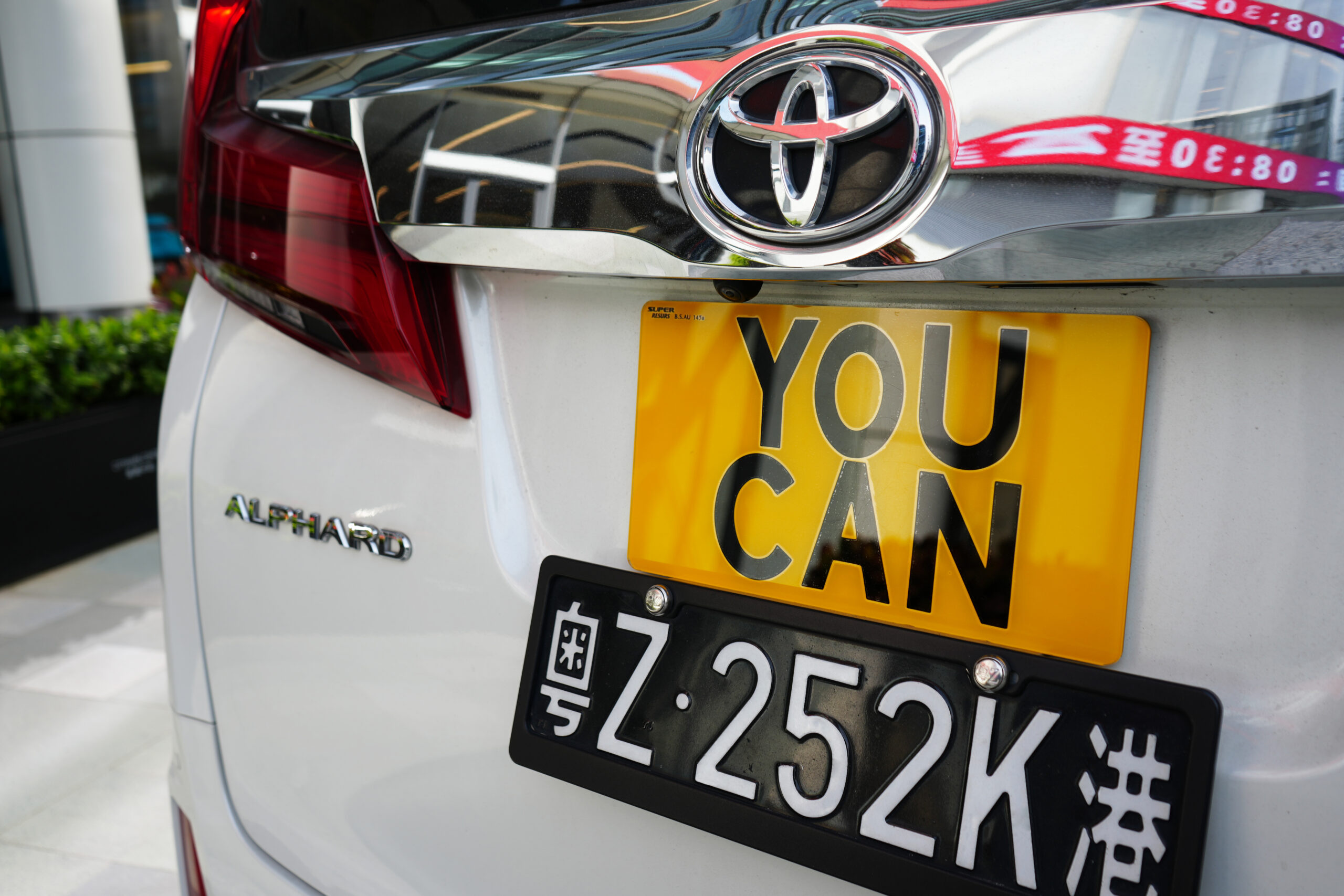
Visual identification: Number plates feature white characters on a black background, ensuring clear and easy recognition. The distinguishing letter at the end is crucial: plates bearing the character "港" (Hong Kong) indicate Hong Kong vehicles entering Guangdong Province, while those bearing "澳" (Macau) denote Macau vehicles.
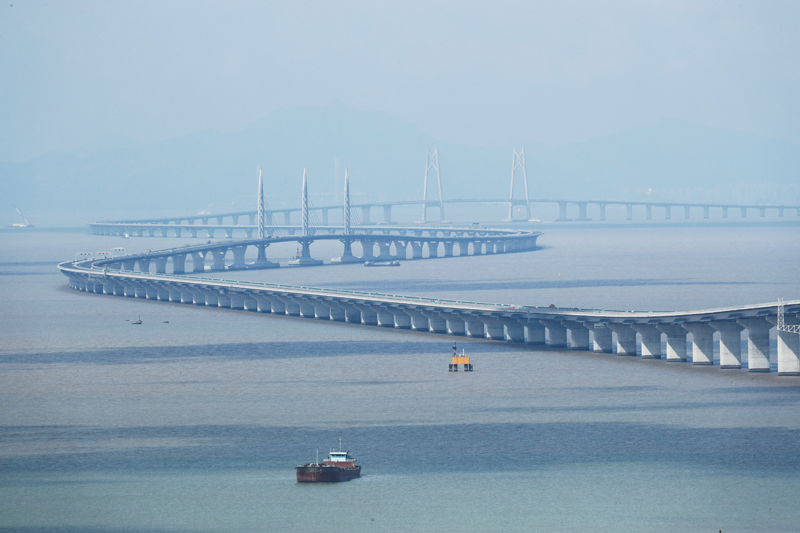
Core Function: Essentially, it serves as a 'point-to-point' cross-border access permit. Primarily issued to Hong Kong and Macao enterprises (and eligible mainland enterprises) that meet specified investment and tax contribution thresholds in Guangdong Province, it facilitates the movement of their commercial vehicles across designated ports such as Shenzhen Bay and the Hong Kong-Zhuhai-Macao Bridge. This constitutes one of the vital physical infrastructure components for establishing the Greater Bay Area's 'one-hour living circle'.
II. A Clear Red Line: Why is Driving Out of Guangdong Province Strictly Prohibited?
This is the core rule all holders of Guangdong Z-series number plates must bear in mind: according to explicit regulations from the Guangdong Provincial Public Security Department, the lawful operating area for Z-series plates is strictly confined within the administrative boundaries of Guangdong Province. Driving outside Guangdong constitutes a violation. This seemingly stringent restriction stems from multiple underlying reasons:
Differences in Customs and Legal Systems: Mainland China, Hong Kong, and Macao constitute three separate customs territories under the "One Country, Two Systems" framework. As high-value movable assets, the cross-border movement of vehicles involves complex customs supervision, taxation (such as vehicle purchase tax and value-added tax), and insurance regulations. Restricting the permitted driving area to within Guangdong Province serves to simplify administration and avoid potential conflicts of legal and regulatory jurisdiction that may arise if vehicles operate in other mainland provinces.
Restrictions under the entry-exit management system: Vehicles bearing Guangdong Z licence plates operate under an entry-exit inspection regime. When clearing customs at designated ports, vehicles complete "entry-exit" formalities, with their authorised routes and operational zones being predefined. Inter-provincial travel beyond the originally permitted scope constitutes unauthorised entry into other jurisdictions.
The Reality of Traffic Management and Enforcement: Although there are no dedicated checkpoints for cross-border licence plates between mainland provinces, the nationwide integration and intelligent upgrading of traffic police enforcement systems enable the easy identification and on-the-spot inspection of anomalous vehicles (such as Guangdong Z-registered vehicles appearing in non-border provinces).
A cautionary tale from real cases: In recent years, there have been isolated instances of vehicle owners taking chances by driving Guangdong-registered vehicles to Zhejiang, Shanghai, or even further provinces. The outcome has almost invariably been that they were lawfully detained by local traffic police, facing penalties including vehicle impoundment, fines, and being ordered to return by the same route. These cases powerfully underscore the seriousness of this regulation.
III. Essential Reading for Motorists: Practical Guidance and Risk Mitigation
Once you understand the rules, adhering to them is paramount. For owners and drivers of vehicles with Guangdong Z number plates, please note the following:
Planning your journey: Before undertaking any long-distance travel within Guangdong Province, ensure your destination remains within the provincial boundaries. You may set province boundary alerts using navigation software.
Recognise the Consequences: Driving across provincial borders is not merely a simple traffic violation; it may be regarded as breaching vehicle entry and exit management regulations. The associated legal risks and complexity of handling such cases far exceed those of ordinary traffic offences.
Do not believe rumours: any so-called "services" claiming to offer "nationwide access" on the market are false information. Do not believe them to avoid being deceived and breaking the law.
IV. Future Outlook: Possibilities Amidst Greater Bay Area Integration
As the development of the Guangdong-Hong Kong-Macao Greater Bay Area advances towards deeper levels of "rules alignment" and "mechanism integration", will the management of cross-border vehicles be relaxed in the future? This will depend on higher-level institutional consultations and technical integration, such as:
Further mutual recognition of insurance and vehicle inspection standards across the three regions.
Establishment of more advanced electronic fencing and cross-border vehicle monitoring information systems.
The scope of travel within specific pilot areas (such as within the Greater Bay Area) shall be expanded in phases and subject to conditions.
However, until the relevant policies are formally announced, the existing provincial restrictions remain an ironclad rule that must be strictly adhered to.

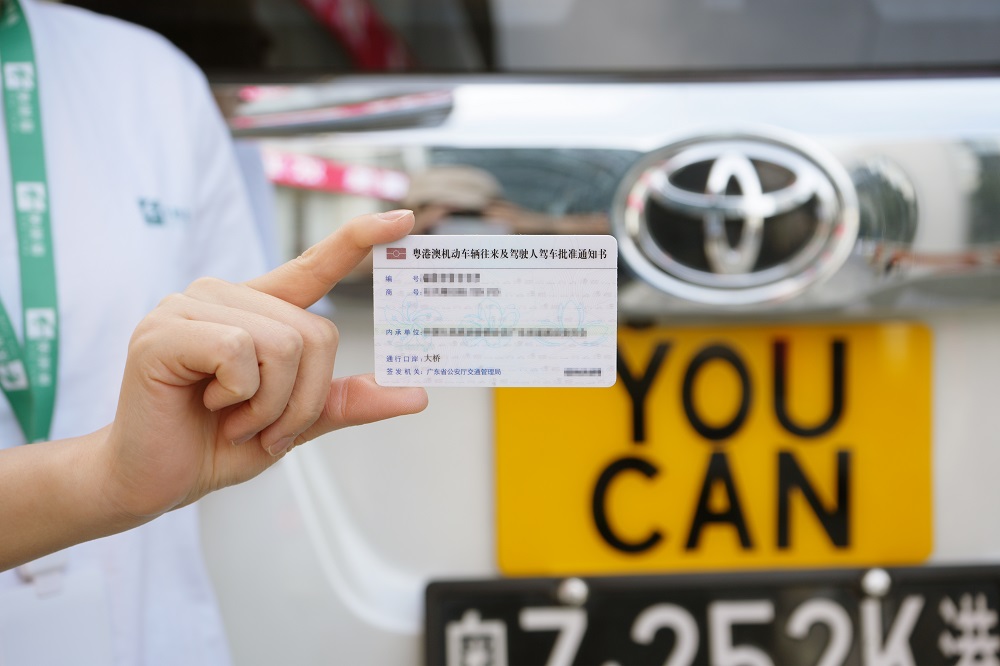
With the increasingly frequent exchanges between Guangdong and Hong Kong, it is important to ensure the validity of the two licensing cards (i.e. Notification of Approval for Movement of Motor Vehicles between Guangdong, Hong Kong and Macao and Driver's Permission to Drive) to ensure a smooth ...
Along the roads of the Guangdong-Hong Kong-Macao Greater Bay Area, Hong Kong vehicles bearing black Guangdong Z-series number plates are a common sight. However, under the current cross-border vehicle licence regulations between Guangdong and Hong Kong, such vehicles...
Amidst the accelerating integration of the Guangdong-Hong Kong-Macao Greater Bay Area, a distinctive emblem has silently witnessed and facilitated the flow of people and commerce across the three regions for over three decades—the Guangdong…

YOU CAN specialises in providing comprehensive corporate and cross-border vehicle licence services, dedicated to offering the most convenient, cost-effective and professional business management agency solutions. We serve as the optimal partner for enterprises and clients across the Guangdong-Hong Kong-Macao Greater Bay Area.We facilitate applications, renewals, modifications, and ancillary services for Guangdong-Hong Kong-Macao dual-plate vehicles, covering major border crossings including Shenzhen Bay, Huanggang, and the Hong Kong-Zhuhai-Macao Bridge. Our services ensure businesses and individuals efficiently and compliantly arrange cross-border travel, making your journeys between the Mainland and Hong Kong effortless and worry-free.
